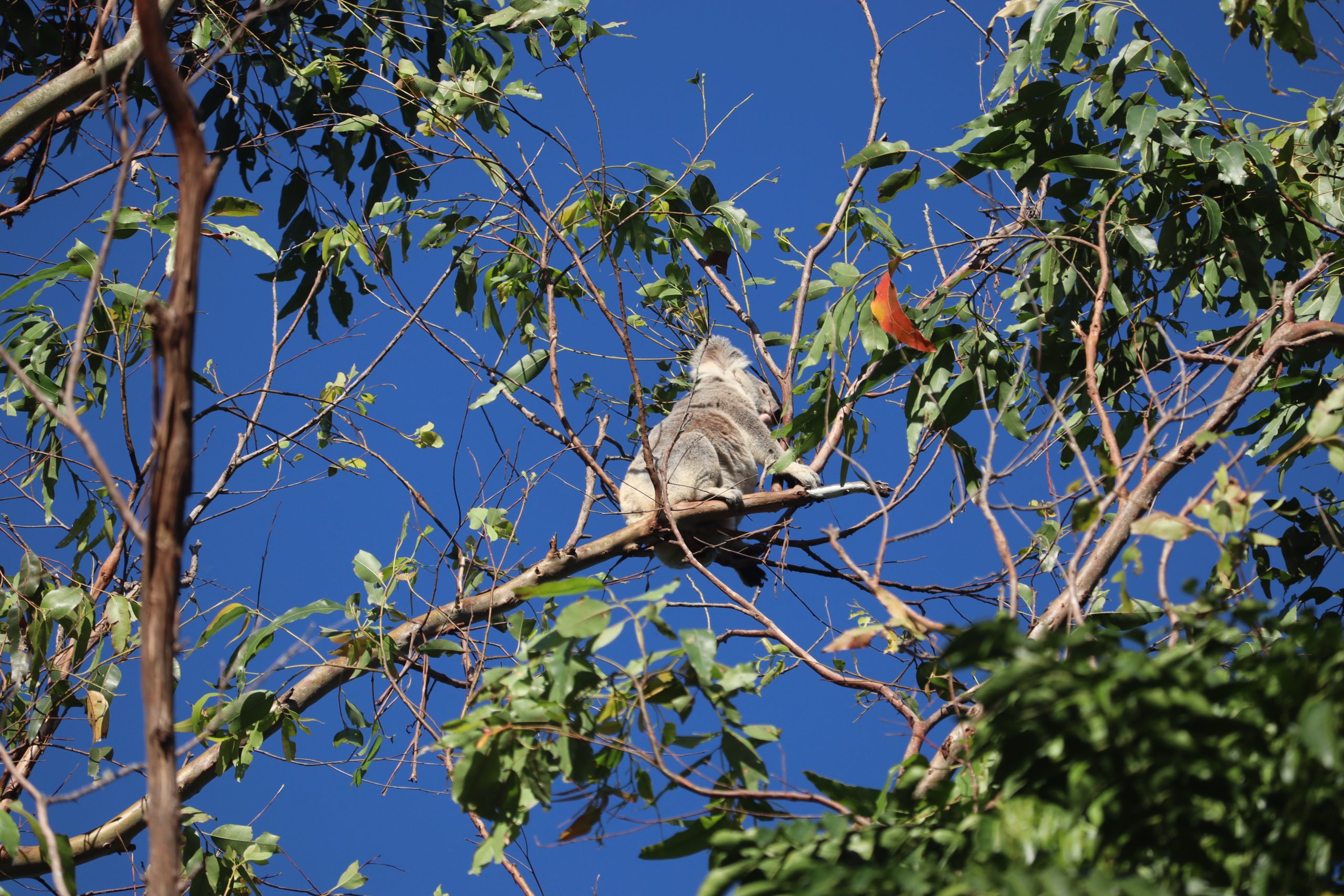

At Hinterland Bush Links, the thread that runs through everything we do is connectivity—connecting patches of native bush, connecting landholders with restoration support, and connecting people with the landscapes they care for. Our 2025 tree-planting season embodied this vision, bringing volunteers and landholders together across the Hinterland to create stronger, healthier wildlife corridors.
Planting Across the Hinterland: What We Achieved in 2025
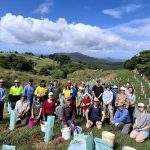
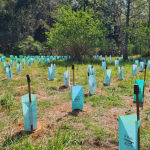
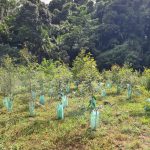
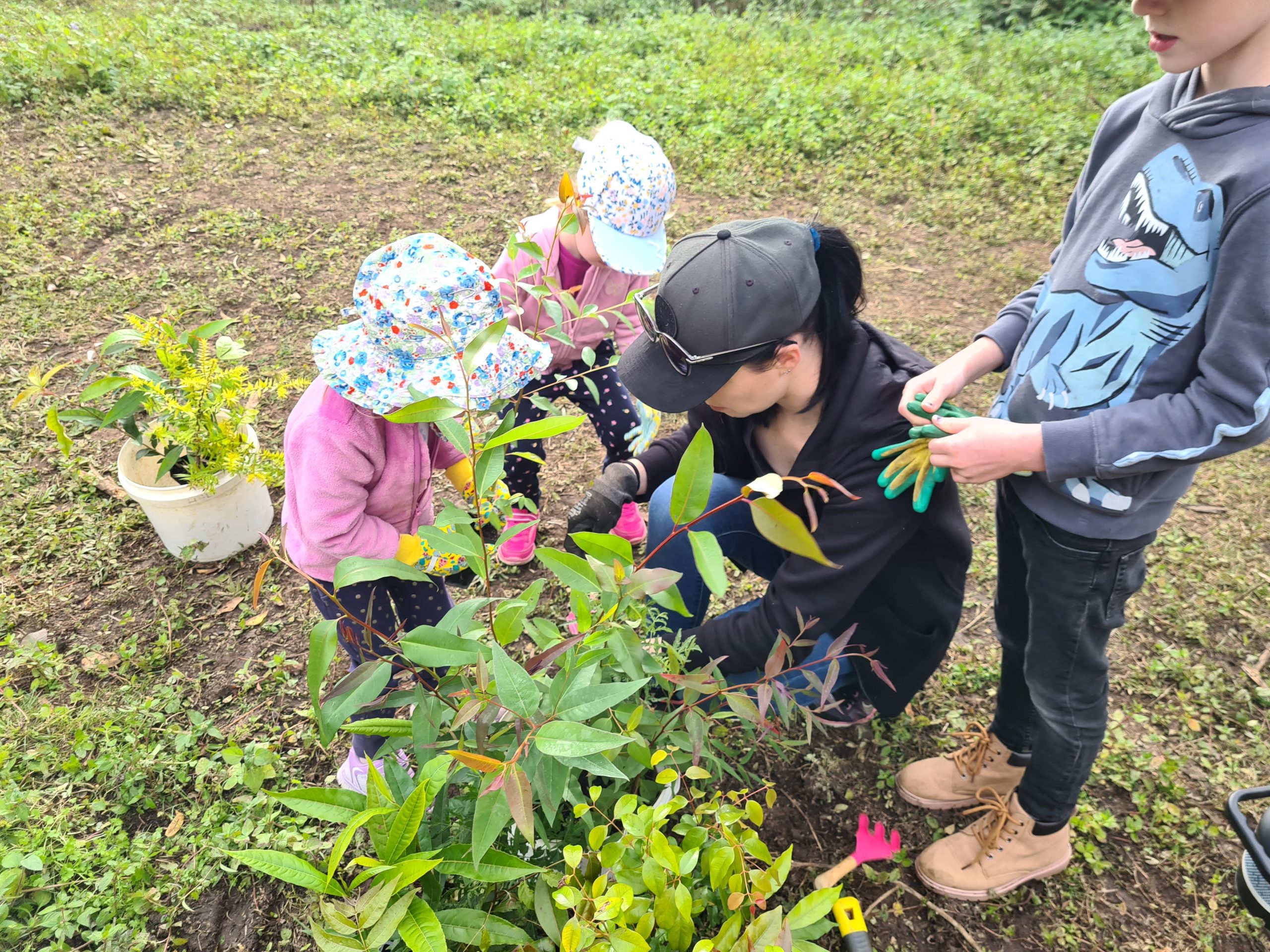
Throughout 2025, our team of volunteers worked across seven properties from Landsborough to Cambroon, restoring 1.49 hectares of bushland and planting over 2,100 native trees. More than 150 volunteers took part in these events, contributing their time and energy to give our landscapes a stronger future.
While each site had its own story, the purpose was shared—rebuilding habitat structure, increasing food and shelter availability for wildlife, and improving long-term ecological resilience. Whether planting 450 trees on a ridgeline in Bald Knob or restoring half a hectare along Booloumba Creek, every event added an important piece to the broader connectivity puzzle.
Why We Plant in Wildlife Corridors
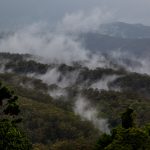
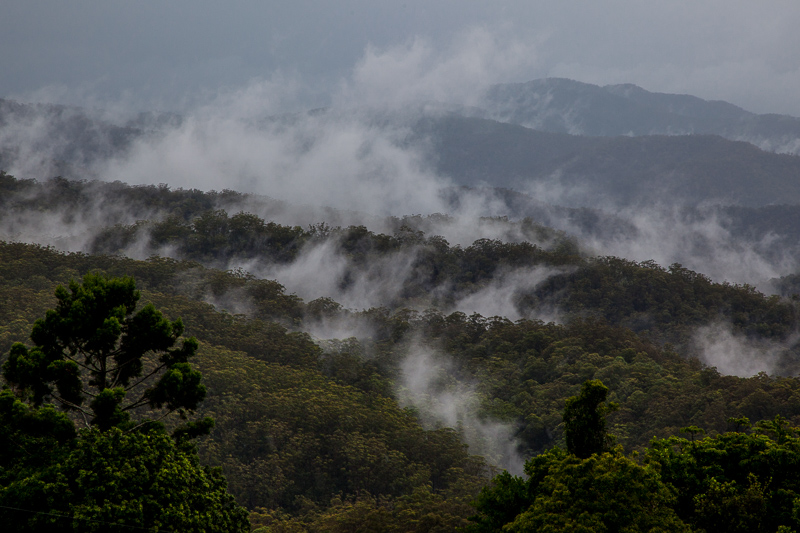
Our planting strategy is deliberate: we focus on wildlife corridors linking major nature hubs, from national parks to reserves and conservation-managed properties. Over decades, development and land clearing have fragmented these hubs, creating “islands” of forest surrounded by open paddocks.
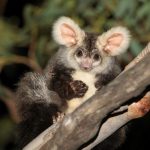
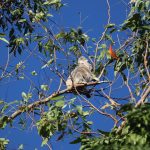
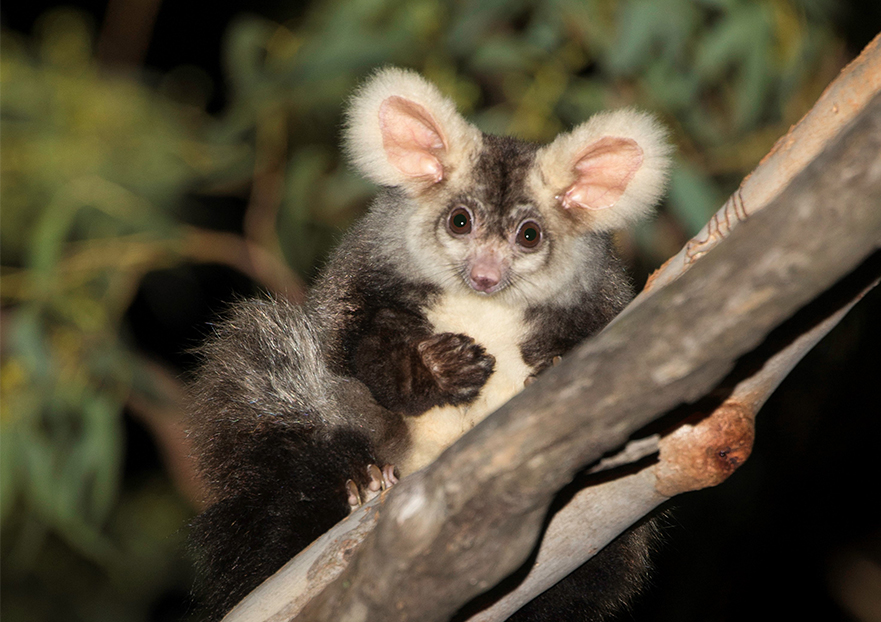
Even large national parks cannot sustain all native species on their own—many animals need to move across the landscape to access seasonal food and safe shelter. Greater gliders rely on networks of hollow-bearing trees to evade predators. Wompoo Fruit-Doves must travel between fruiting trees throughout the year, yet avoid crossing cleared ground.
When bushland is isolated, these connections break down.
Fragmentation doesn’t only affect animals—it impacts the landscape itself. Species like the Wompoo Fruit-Dove play a crucial role in dispersing large rainforest seeds. When they cannot reach isolated forest patches, those patches slowly lose plant diversity over time.
By planting within wildlife corridors, we help reconnect these fragmented landscapes—allowing animals to move safely and naturally and enabling ecological processes like seed dispersal to function as they should.
Strong Partnerships with Landholders
None of this work would be possible without the generosity and long-term commitment of local landholders. Each planting site represents a partnership built on shared goals: restoring degraded areas, supporting native species, and contributing to a more connected Hinterland.
Our landholders play a vital role not just by providing access, but by caring for the trees as they establish, managing weeds, and integrating restoration into their broader land management plans. Their involvement ensures that the benefits of our work extend far beyond planting day—supporting wildlife, soil health, waterways and resilience for years to come.
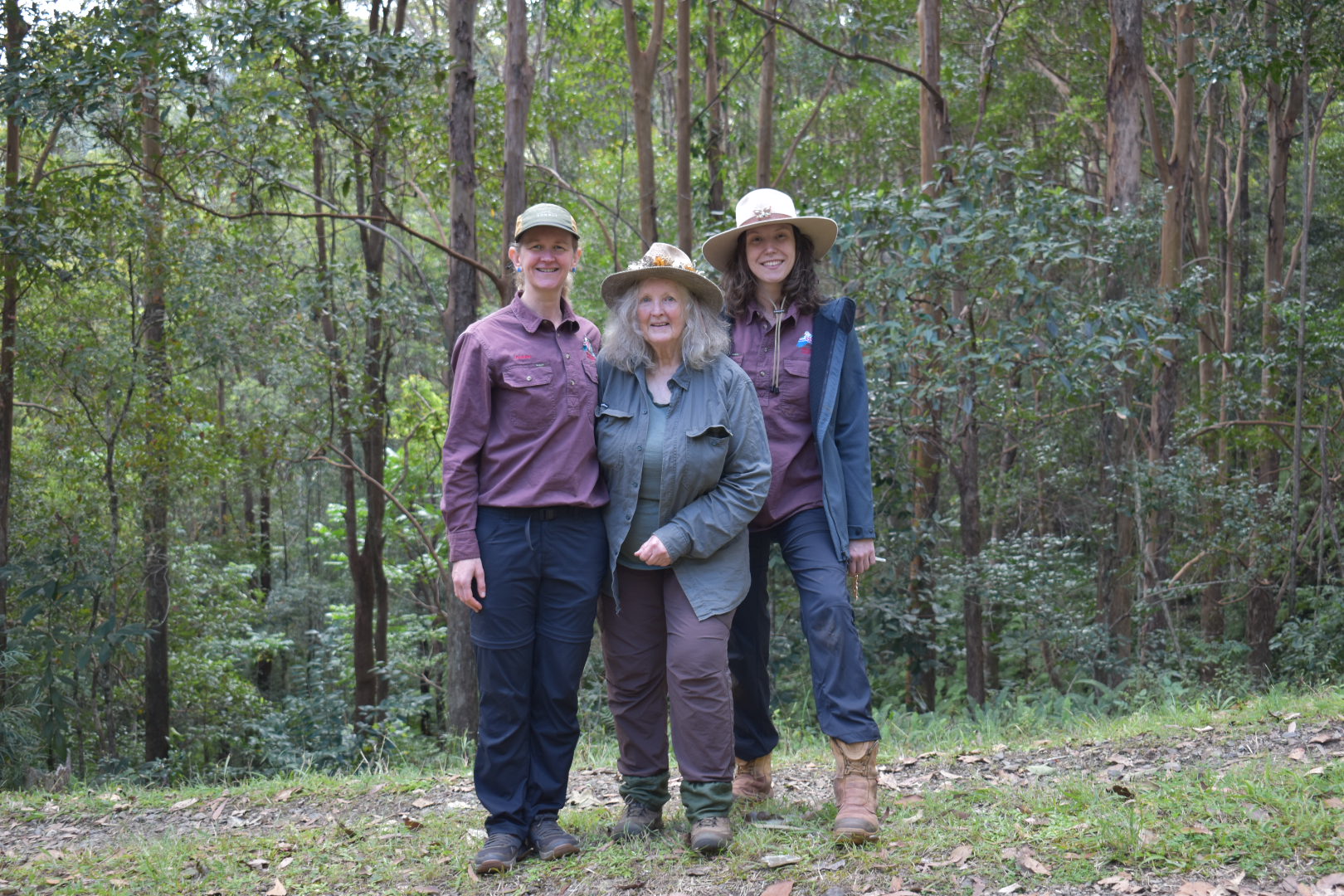
The 2025 planting season highlighted just how powerful these partnerships can be. Volunteers, staff and landholders worked side-by-side, creating living examples of what community-led conservation can achieve.
Looking Ahead
As these young trees grow, they will stitch fragmented bushland back together—creating shade, food, hollows and safe movement pathways for the region’s wildlife. We are grateful to every volunteer and landholder who helped make 2025 a success.
Together, we are restoring the Hinterland one corridor at a time.